Craft CMS development for structured, multilingual websites.
Craft CMS is often the right choice when a site needs structured content, editorial flexibility, multilingual architecture, API integration and long-term maintainability. Craft CMS is a strong route for editorial and multilingual content systems, and one route for marketing websites when the content needs more than visual editing.
When your content is too complex for Webflow or too important for a plugin-heavy WordPress setup, Craft CMS gives you a cleaner structure. The point is not to use Craft for everything. It is to choose it when the content model genuinely needs it.
When Craft CMS is the right choice Not every project needs Craft CMS. But when content has real structure, Craft gives it a cleaner foundation.
Your content has deep structure
Multiple content types that relate to each other — articles linked to authors, attractions linked to routes, publications linked to researchers. Webflow caps at 5 reference fields per collection. Craft CMS has no such constraints — you model the relationships your content actually needs.
You need real multilingual support
Not just translated strings — different content per locale, separate editorial workflows per language, and a system that scales to 5+ languages without ballooning costs. Webflow's localization add-on costs $9–$29 per locale per month. With 5 languages, that's up to $145/month just for localization. Craft CMS handles it natively.
Your editors need independence
Content teams should be able to publish, restructure, and manage content without calling a developer. Craft's control panel is built for this — every field, section, and entry type is structured around how your editors actually work.
You've outgrown your current CMS
Webflow's CMS works well up to a point — but with a 20.000 item cap, 60 fields per collection, and 5 reference fields maximum, complex content architectures feel constrained. WordPress can handle it, but plugin dependencies grow with every custom content type. Craft CMS gives you the structure of a custom build with the usability of a modern CMS.
You need custom integrations
Craft's first-class module system lets us build connections to third-party APIs and map external data cleanly into your content model. No plugin marketplace roulette.
Platform limits and pricing change over time. The point is not the exact number, but the fit: Craft is usually stronger when content relationships, editorial control and multilingual structure are central to the project.
Craft CMS development services What we build with Craft CMS.
Complex content architectures
We design data models where every content type has explicit relationships — entries reference other entries, categories organise across types, and Matrix fields handle flexible content blocks. No arbitrary limits on fields or references. Your content model matches your actual content.
Multilingual sites
Craft handles multilingual content natively. Each locale can have its own content, editorial workflow, and URL structure. GOMO has built sites managing thousands of articles across many different languages — with each language having distinct content, not just machine translations.
Custom Craft CMS plugins
When a project needs functionality beyond fields and templates, Fred can build custom Craft CMS plugins and modules that fit the content model instead of relying on fragile plugin workarounds.
Custom integrations
Craft's module system lets Fred build custom connections to external services. The CIICESI ORCID integration lets the team sync 3.000+ academic publications into researcher profiles, and the same approach works for booking APIs, product feeds, CRM data, or any structured external source.
Craft CMS projects we've shipped Real projects. Real complexity.
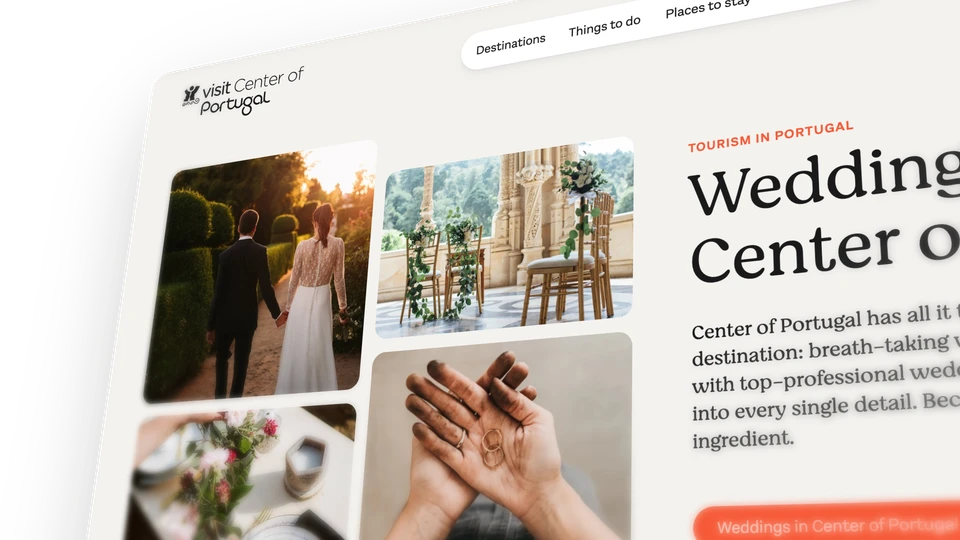
Center of Portugal
A multilingual Craft CMS tourism platform for 1800+ growing articles, shaped around relational content, editorial scale, and long-term maintainability.
View case study
CIICESI
From no website to a maintainable Craft CMS research portal, with researcher profiles, ORCID publication sync, filtering, events and projects.
View case study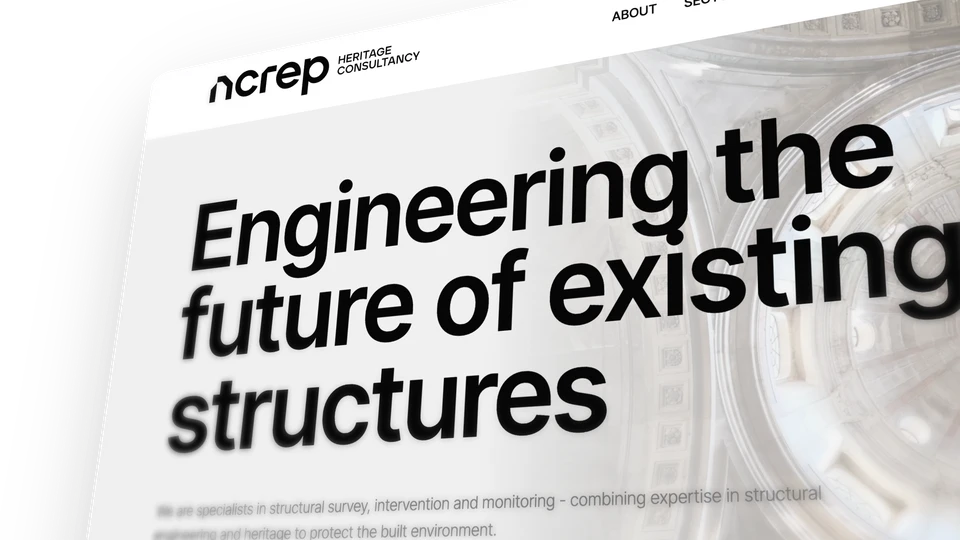
NCREP Heritage Consultancy
A Craft CMS build delivered through an agency partnership, supporting a bilingual international site, a UK-specific presence, custom modules, and a focused contact management plugin.
View case studyHow a Craft CMS project works Five steps. Content-first.
Discovery & content modelling
We map your content types, their relationships, and how editors will work with them. This is the most important phase — the content model determines everything that follows.
Design & prototyping
If you have designs, we work from those. If not, we handle the design phase too. Either way, the visual design is informed by the content model, not the other way around.
Craft CMS build
Content architecture, Twig templates, custom plugins or modules for integrations, and the editorial control panel configured for your team's workflow.
Content migration
If you're moving from WordPress, Webflow, or another platform, we handle the migration — mapping old content into the new structured model.
Launch & handover
Deployment, editorial training, and documentation. Your team should be able to manage content independently from day one.
Craft CMS vs. the alternatives How Craft CMS compares.
Craft CMS
- Unlimited fields, entry types, Matrix blocks
- Native multilingual (included in licence)
- Clean editorial control panel
- First-class PHP module system
- Unlimited CMS items (database-backed)
- Pro: $399 one-off + $99/yr
WordPress
- ACF or custom fields (plugin-dependent)
- WPML plugin ($39–$199/yr)
- Often cluttered with plugins
- Large plugin ecosystem, variable quality
- Unlimited items (database-backed)
- Free (self-hosted) + hosting costs
Webflow
- 60 fields/collection, 5 reference fields max
- $9–$29/locale/month add-on
- Visual editor (design-focused)
- APIs + Zapier/Make (no server-side code)
- 2.000–20.000 item caps
- $29–$49/month site plans + add-ons
Craft CMS development pricing Transparent pricing. Fixed quotes.
We publish our pricing because it saves everyone's time. Every Craft CMS project is scoped individually, but here's what to expect.
- Content modelling and CMS architecture
- Craft CMS setup, fields, entries and editorial workflows
- Frontend templates and responsive implementation
- Multilingual setup, migrations or integrations when scoped
- Testing, QA, deployment and handover
- 2 weeks post-launch support
Category fit When Craft CMS is part of the route.
Craft CMS development FAQ Common questions.
Craft CMS has a free tier (Solo) for single-user projects and a Pro licence ($399 one-off, plus $99/year for updates) for teams. The Pro licence is what most organisations need — it includes user management, multi-site support, and GraphQL API access. Compared to recurring CMS subscriptions, it's remarkably affordable.
Typical builds take 2–4 months depending on content complexity and whether design is included. GOMO built CIICESI's research portal — including a custom ORCID API integration — in 3 months from scratch.
Yes. Fred can migrate sites with thousands of pages from WordPress to Craft CMS, including restructuring content into proper relational models. Migration planning covers content mapping, URL structure, redirects and editorial workflows.
It depends on the project. A larger Craft CMS agency can be useful when you need a broad team around strategy, design, content and delivery. GOMO is a better fit when you already have those pieces covered — or want a leaner relationship — and need senior Craft CMS development, content modelling, integrations and technical ownership directly from the person doing the work.
Yes. This is increasingly common as organisations outgrow Webflow's CMS limits or find multilingual hosting costs unsustainable. We handle the full migration — content, structure, and frontend rebuild.
Craft CMS runs on standard PHP hosting. GOMO typically deploys to managed platforms like Servd or Fortrabbit, or self-hosted solutions depending on your requirements.
We offer maintenance agreements for Craft CMS updates, security patches, and content model adjustments. Most clients need very little ongoing support — that's the point of building it properly.